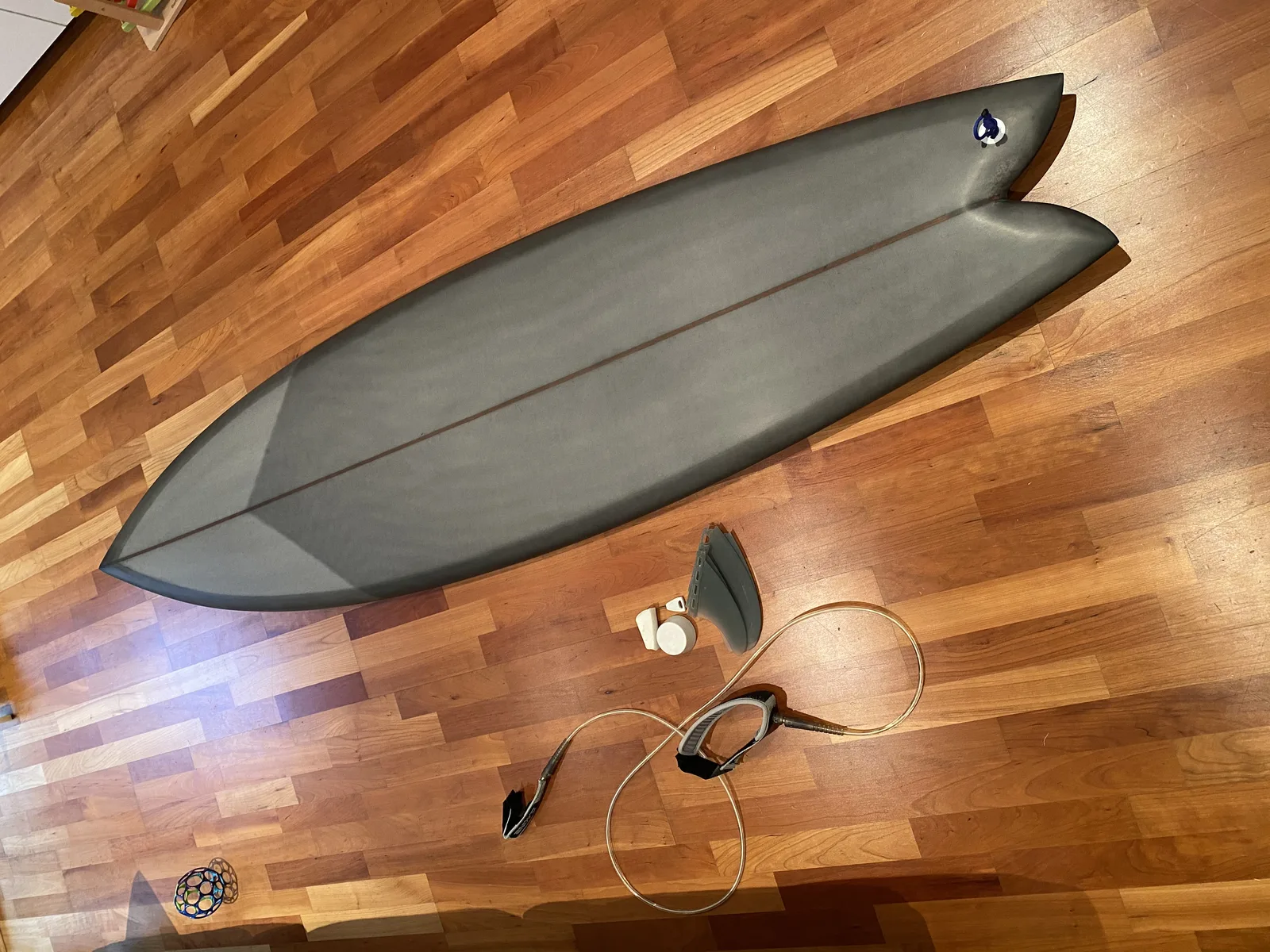
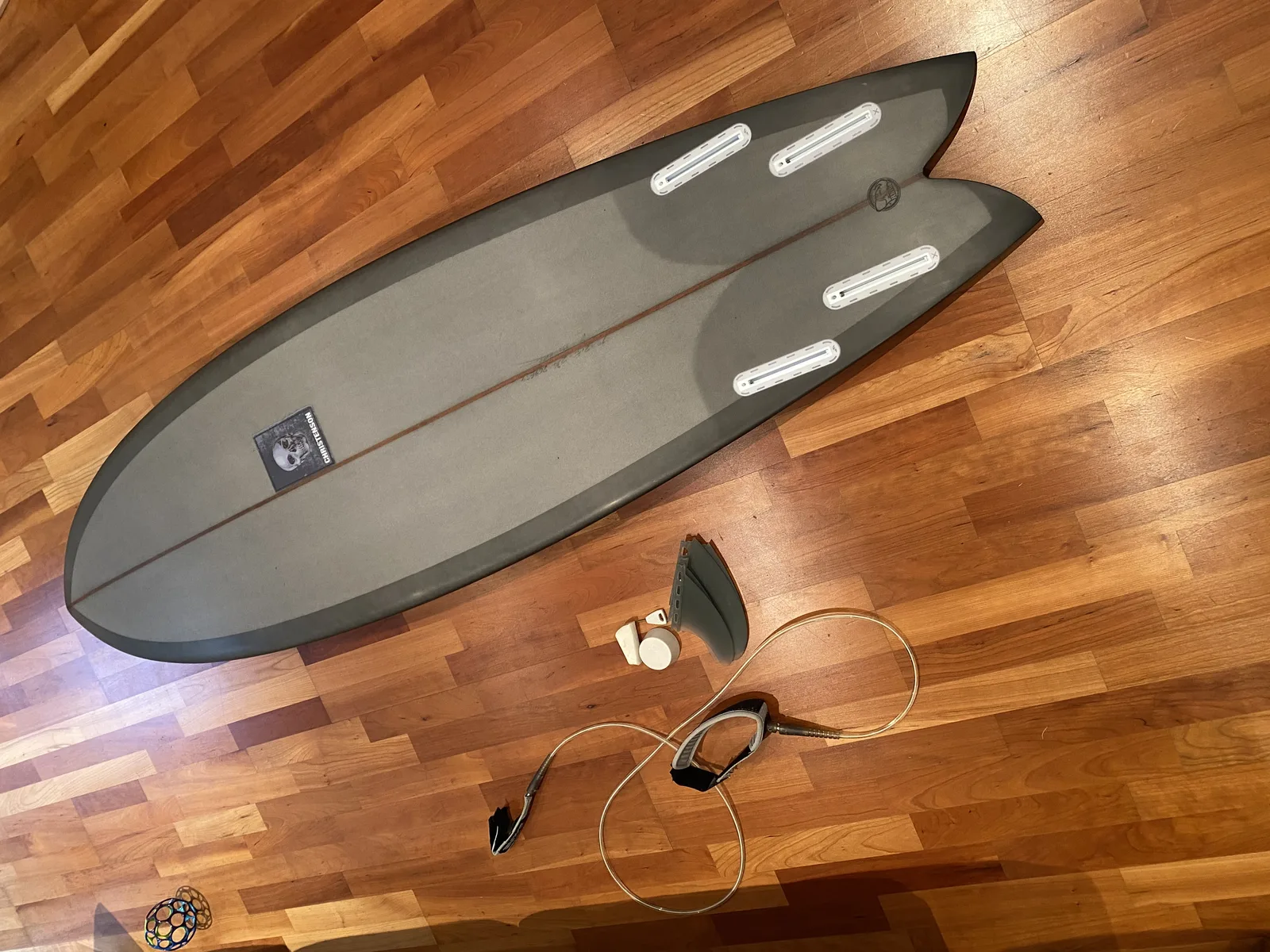
Christenson Nautilus 7'0 review: a versatile quad beaten by three boards
Updated 2026-09-20

The Christenson Nautilus 7'0 is a versatile quad, a genuinely well-made board that still ended up sold, not because of any flaw, but because three other boards in the quiver each independently did its job better.
What it is and why I bought it
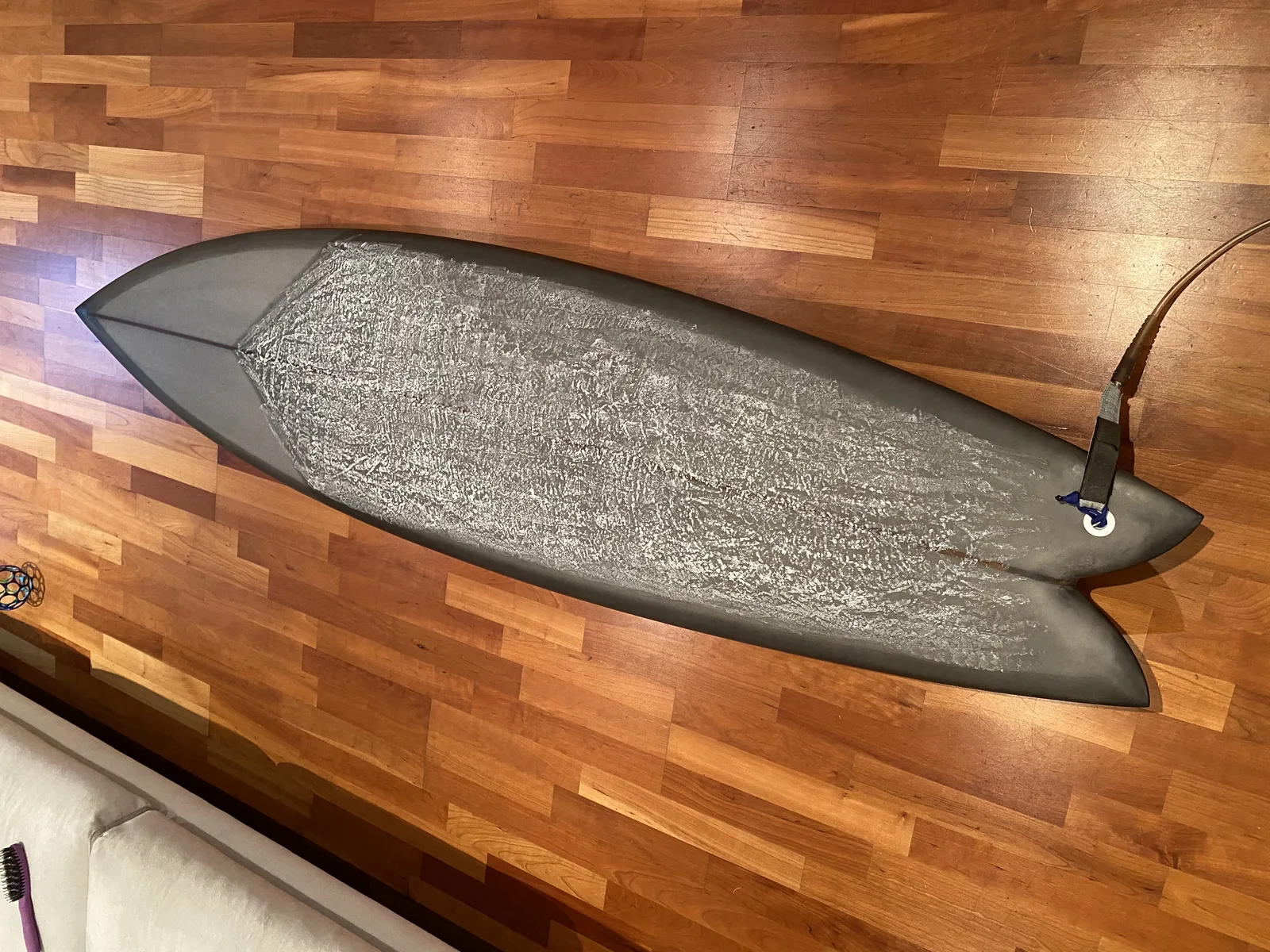
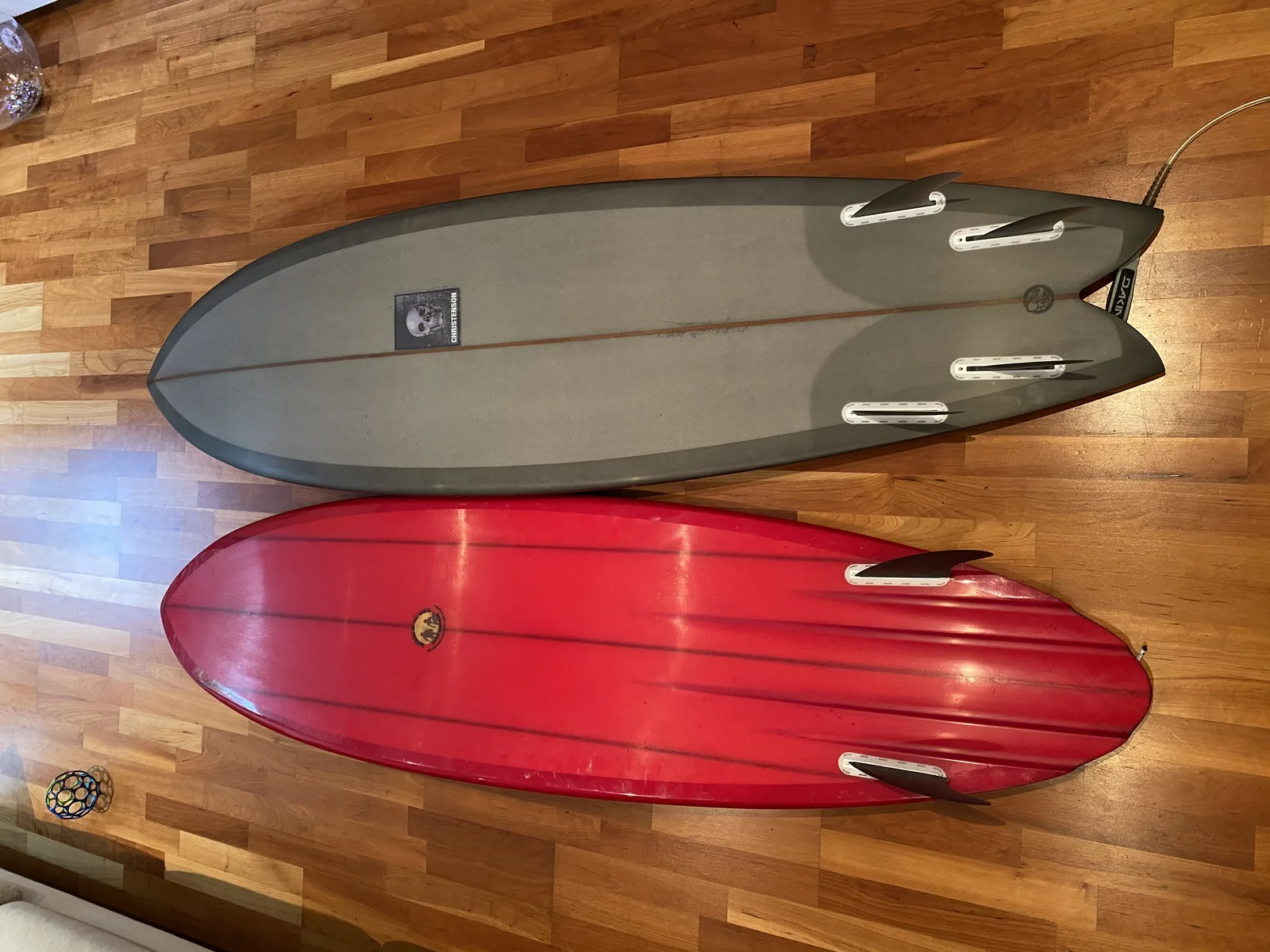
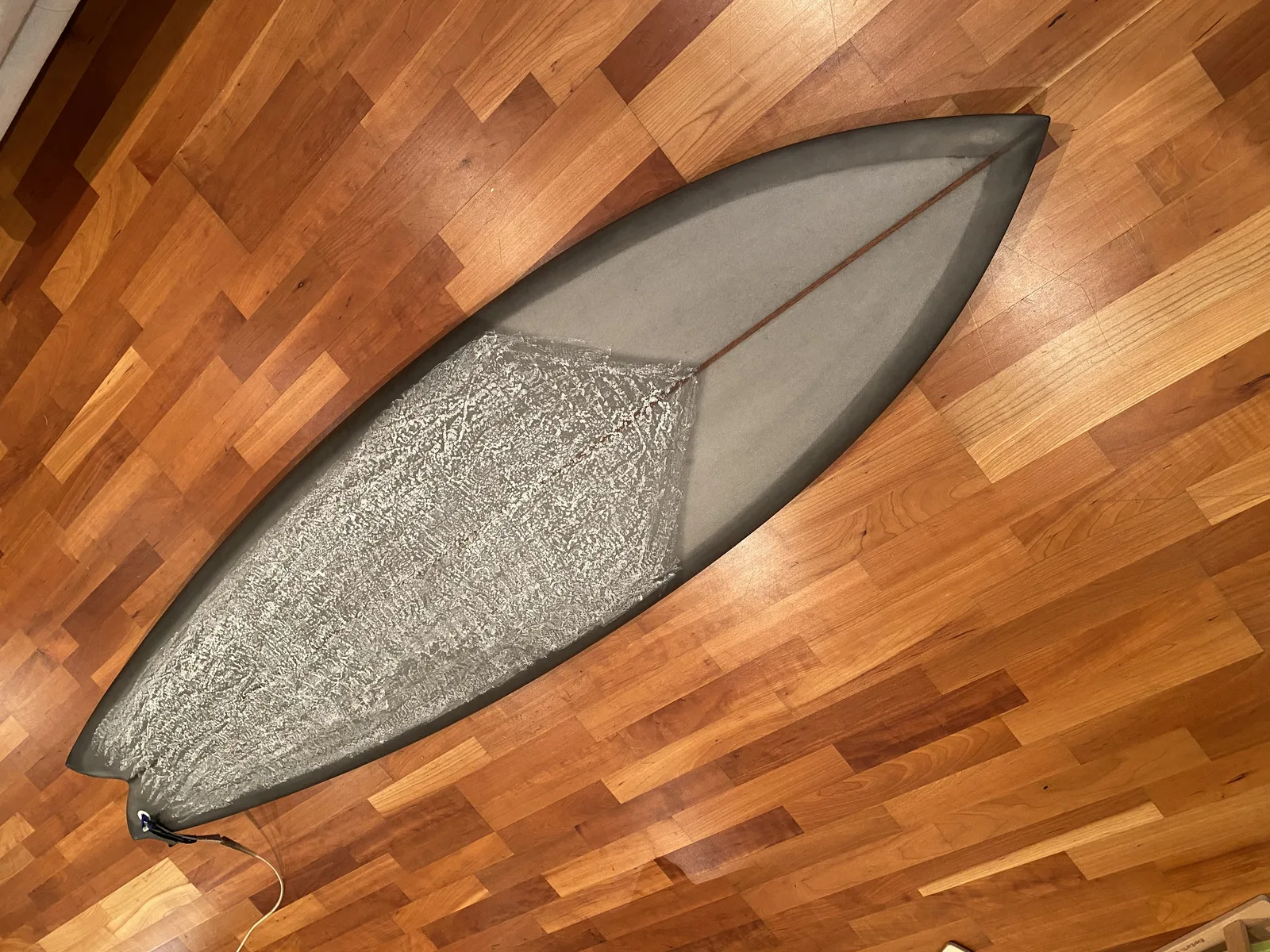
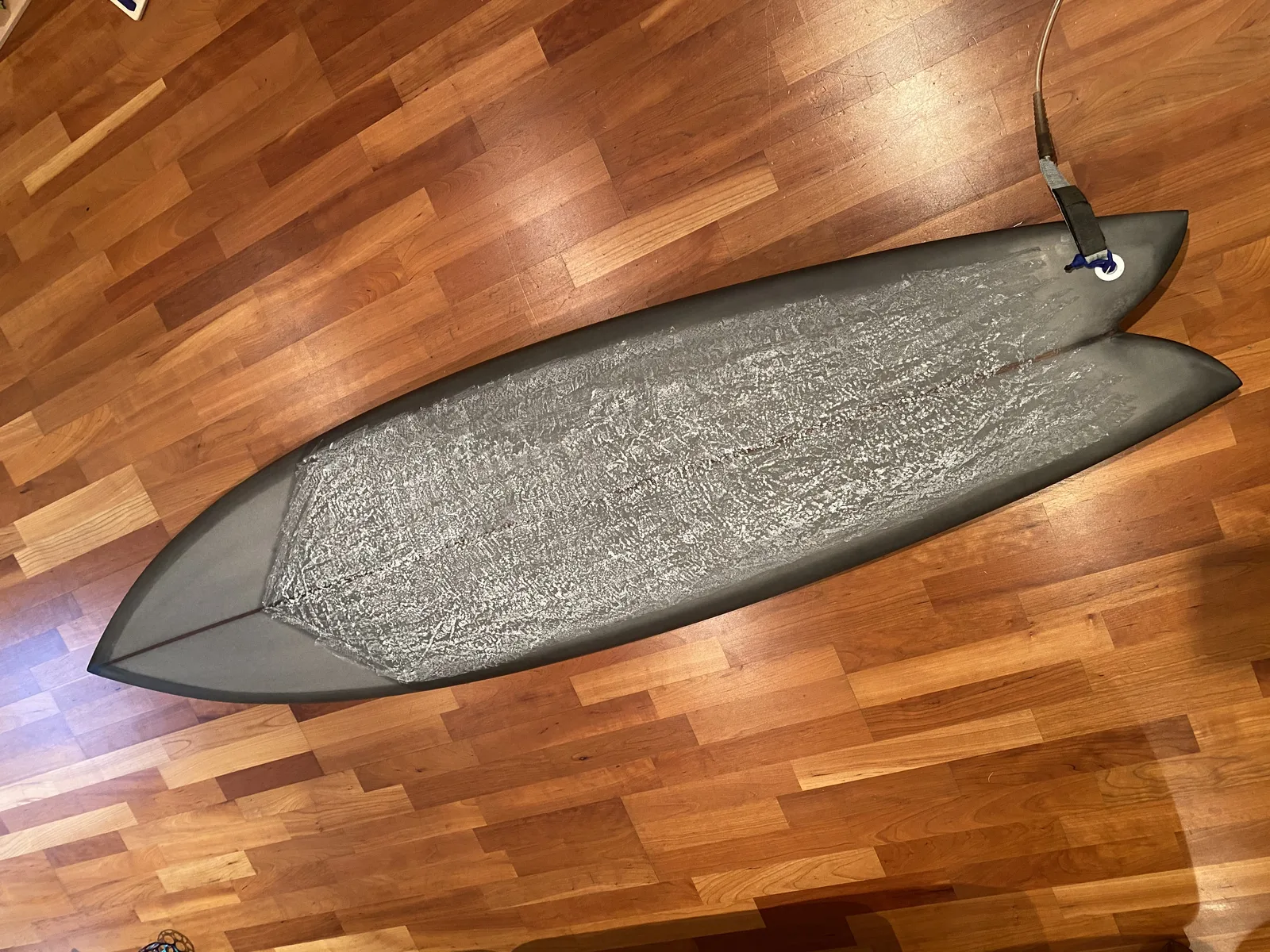
I bought this Nautilus direct from the factory in California, a PU board with hard rails and a full-length double concave with vee, finished with a swallow tail and running a quad setup. At 21 1/4 inches wide, 2 3/4 inches thick and 44 litres over 7'0, it is a semi step-up rather than an everyday small-wave board: it does not paddle quite as easily as its length suggests, and it wants a bit of push behind the waves before it comes alive. I had owned an earlier, smaller Nautilus before this one, and both were excellent boards.
How it surfed
The shaping pedigree behind it is genuine, and it is obvious underfoot: the double concave with vee rocks smoothly from rail to rail, and it holds real speed once it gets going, rocking side to side better than almost anything else I had ridden at the time. Running True Ames or Hayden Shapes fins, it has clocked 26.6 km/h. What eventually ended its run was not a fault of its own. A Channel Islands Mid Twin, an SMTH Grande and a Simon Shapes Quegg each separately covered what the Nautilus did, and each proved easier to reach for day to day. One factory detail mattered too: glassed direct from the factory in California, this board came out noticeably lighter than the same model glassed locally in Australia, and that difference in glassing genuinely changes how a board like this rides.
Who it suits and who it does not
A versatile, semi-step-up quad like this suits someone who wants a genuinely well-built board for waves with a bit of push, and who is not already covered by two or three overlapping boards elsewhere in the quiver. It is a weaker choice for someone keeping a small, tightly curated set of boards, which is exactly why this one moved on despite being a good board in its own right.
What happened to it
It has since sold. Not because of any flaw in the board itself: three other boards each covered the same job and were easier to reach for, so the overlap is what pushed it out.
Questions people ask
Why was the Christenson Nautilus sold if it was a good board?
Not because of any flaw in the board itself. Three other boards, a Channel Islands Mid Twin, an SMTH Grande and a Simon Shapes Quegg, each independently covered the same job and were easier to reach for, so the overlap made the Nautilus redundant.
What fins worked on the Nautilus?
True Ames or Hayden Shapes fins are the setup that clocked 26.6 km/h on this board.
Does where a board is glassed matter?
In this case, yes. A Nautilus glassed direct from the factory in California came out noticeably lighter than the same model glassed locally in Australia, a real difference in how the finished board rides.
This one has sold; more on the boards that came and went sits on the quiver hub. For the boards that replaced its job in the quiver, see the Channel Islands Mid Twin, the SMTH Grande and the Simon Shapes Quegg. For the wider story behind sales like this, see the purge.